Tera Restoration Group Middletown Boonton Town
📞 862-421-8918
24/7 Emergency Response

Storm Damage Restoration in Boonton Town.

Storm losses run different timelines than pipe bursts. We sequence the response: stabilize, dry, mold-prevent, then rebuild — without losing the carrier scope.

Local team in Boonton Town Honest, transparent pricing 24/7 emergency line
NJ-Built Working Morris County losses
Documented Drying Calibrated meters, baseline-to-baseline
No-AOB You keep your insurance claim rights
Service Overview

How We Approach It

Storm damage in NJ comes in two flavors: wind events that compromise the building envelope (roof, siding, windows) and water events that follow once the envelope is breached. We handle both phases — emergency board-up to stop further damage, then water extraction + drying, then full reconstruction.

What's Included

  • Emergency board-up + tarping
  • Wind-driven rain water extraction
  • Roof + envelope repair
  • Tree impact damage
  • Insurance documentation
  • Full structural rebuild

Wind-driven Rain Vs. Flood — the Distinction That Determines Coverage

This distinction matters because it determines which insurance policy pays. Wind-driven rain that enters through a damaged building envelope (wind broke a window, lifted shingles let rain through the roof, damaged siding admitted water laterally) is covered by standard homeowners insurance as wind/storm damage. Rising surface water that enters at ground level — overland flooding, stream overflow, surge — is FLOOD damage, which standard homeowners does NOT cover. That requires NFIP (National Flood Insurance Program) flood insurance.

For NJ properties, both can happen in the same storm. Our documentation clarifies the source of intrusion so the right policy pays the right portion. Photos of where water entered (broken roof = wind; rising at ground level = flood), measurements of high-water marks, narrative of the timeline (wind hit first vs flood arrived later) — all become part of the cause-of-loss record.

Misclassification is one of the most common reasons NJ storm-damage claims get denied or under-paid. We frame the loss honestly — neither inflating to chase coverage nor under-stating to make a claim go away — so the carrier can settle the right portion under the right policy.

Common Nj Storm Patterns We Handle

Tropical storms (Aug-Nov): wind damage to roofs and siding, wind-driven rain through compromised envelopes, occasional surge flooding in shore communities. Hurricane remnants tracking up the coast generate the bulk of our late-summer call volume.

Nor'easters (Oct-Apr): sustained heavy rain over multiple days creates roof leaks at flashing transitions, ice damming on cold-weather events, and wind damage similar to tropical storms. The NJ shore takes the worst of nor'easter activity but inland counties also see significant water intrusion.

Ice storms: tree impact damage from ice loading on branches, ice damming where roof eaves are inadequately insulated, and burst pipes in unheated spaces (garages, attics, crawlspaces, vacant properties). The frozen-pipe-burst calls dominate the post-ice-storm response window.

Summer thunderstorms: straight-line winds (similar damage profile to tornadoes), hail damage to roofs and siding, lightning strikes that cause electrical fires, and flash flooding when sustained rainfall exceeds storm-drain capacity in older neighborhoods.

Process

Our Process

  1. 01

    24/7 Dispatch

    Live answering service routed directly to dispatch. Most Boonton Town addresses see a truck within 60 minutes of the call.

  2. 02

    Iicrc S500 Protocol

    Loss category established (Cat-1, Cat-2, Cat-3) on first inspection. Protocol matched to category — no shortcuts on contaminated water cleanup.

  3. 03

    Industrial Drying

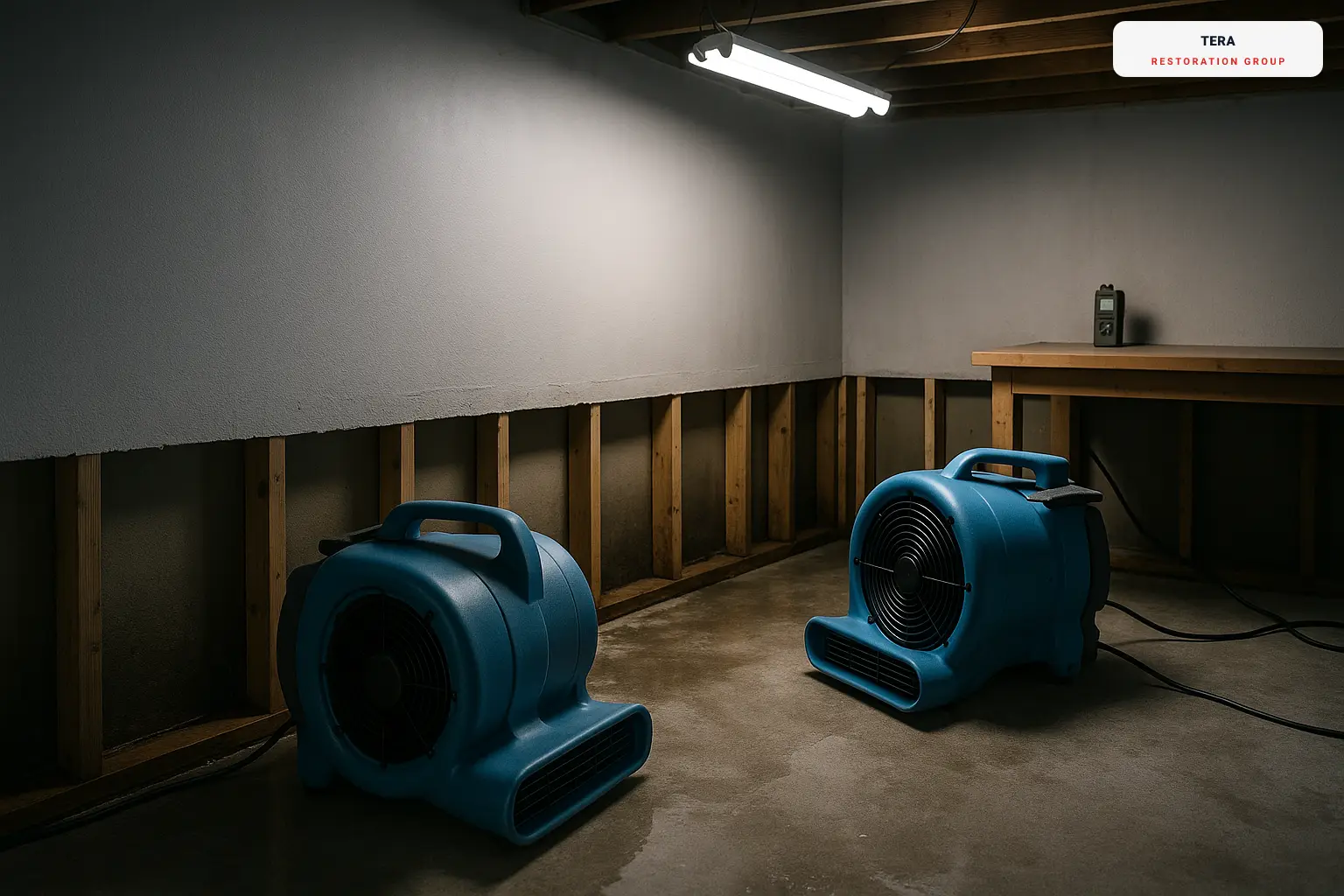
    Truck-mounted extraction, high-velocity air movers, LGR dehumidification, HEPA-filtered negative air when needed. Equipment sized to the loss, not under-spec to save cost.

  4. 04

    Verified Moisture Clearance

    Final clearance readings on every substrate before reconstruction starts. We do not close the mitigation phase on "looks dry" — we close it on documented moisture content at baseline.

  5. 05

    Single-source Reconstruction

    Rebuild scope mapped directly from mitigation documentation. No contractor handoff, no scope renegotiation, no surprise costs three weeks in.

24/7 Emergency

24/7 emergency response across Morris County. Real human, real truck, real fast.

We dispatch a tech 24/7 across the Boonton Town metro. Average on-site time is under an hour.

Call 862-421-8918
The difference

Why Customers Choose Us

Real reasons. No invented stats, no manufactured awards.

  • 01

    24/7/365 Emergency Response

    Holidays, weekends, middle of the night — same response standard. Property losses do not check the calendar. Neither do we.

  • 02

    Multi-Unit + Commercial Capable

    COIs on file at most major Morris County multi-unit buildings. After-hours noise scheduling for tenant-occupied commercial. Per-unit documentation discipline for HOA + condo claims.

  • 03

    Pre-Staged For Surge Events

    Storm season we add equipment + tech capacity at our Boonton Town base. When the call volume spikes after a major weather event, individual response times do not slip.

Service Area

Serving Morris County

Restoration coverage from Boonton Town, NJ across the full Morris County footprint. Active emergencies dispatch within the hour. Non-emergency consultations and reconstruction work scheduled at the property owner's convenience. We work both single-family residential and small commercial in the corridor.

Counties Covered

  • Morris County, NJ

Cities We Service

Each Morris city below opens a local page with arrival times from our Boonton Town base and the loss patterns we handle most often in that municipality.

Not sure if you're in our area? Call 862-421-8918 and we'll tell you in 30 seconds.
FAQ

Frequently Asked Questions

If you don't see your question, just call or message us.

How long does drying take after a water loss? +

Three to five days for a typical residential water loss. Hardwood floors and dense materials can take longer — sometimes 7-10 days. We monitor with calibrated moisture meters daily and only stop drying when readings return to dry-standard moisture content for the materials in your home.

Will my floors and walls have to come out? +

Often less than people expect. Category-1 (clean supply-line) water that we reach inside 24-48 hours can usually be dried in place. Category-3 (sewage, river, ground intrusion) is different — IICRC S500 protocol requires removing porous materials those waters contacted. We cut to a documented flood line and replace what comes out.

How do you make sure mold does not come back? +

Mold prevention happens during drying, not after. We hold the structure under controlled airflow until moisture meters confirm wood, drywall, and substrate are back inside the manufacturer-approved dry range. Anything porous that absorbed contaminated water comes out. Surfaces receive a registered antimicrobial before reconstruction. We also pull access panels and inspect HVAC ductwork if water tracked into the system.

Are you open weekends and holidays? +

Emergency dispatch is 24/7/365 including all holidays. Reconstruction work and consultations follow business hours but we can adjust for client schedules.

What is the difference between water damage and flood damage? +

Water damage is sudden and accidental — pipe burst, appliance failure, storm intrusion through a damaged roof. Flood damage is rising surface water from outside the structure. Standard homeowners insurance covers water damage. Flood requires separate NFIP flood insurance. We document the source clearly so the right policy pays the claim.

How much does water damage restoration cost? +

A typical Boonton Town residential water mitigation runs $3,000-$8,000 depending on loss size and material types affected. Reconstruction adds another $5,000-$30,000 depending on scope. Most jobs are insurance-billed after deductible. We give a realistic estimate after the on-site assessment, not a guess on the phone.

Do I have to leave my home during restoration? +

For most water-damage jobs, no. We work in the affected area while you live in the rest of the home. Cat-3 sewage cleanup requires evacuation of the affected area during the cleanup phase because the work itself aerosolizes pathogens. Major fires often require temporary relocation while smoke + soot are addressed. We discuss displacement on the first call so you can plan.

Call Now • Boonton Town

Active Loss in Boonton Town? We Handle Mitigation Through Reconstruction.

One phone call gets a truck rolling. Real Boonton Town team, real local response time, no automated phone tree. We'll be on site fast.

📞 Tap To Call 862-421-8918

24/7 Emergency Dispatch

📞 Call 862-421-8918